Teen Advocacy
Compassion begins when someone decides not to look away. For a young person facing rejection, homelessness, or fear, even one act of kindness can become a lifeline.
How Teen Readers Can Help
COLLECT KITS + DONATE SOCKS + SPREAD KINDNESS

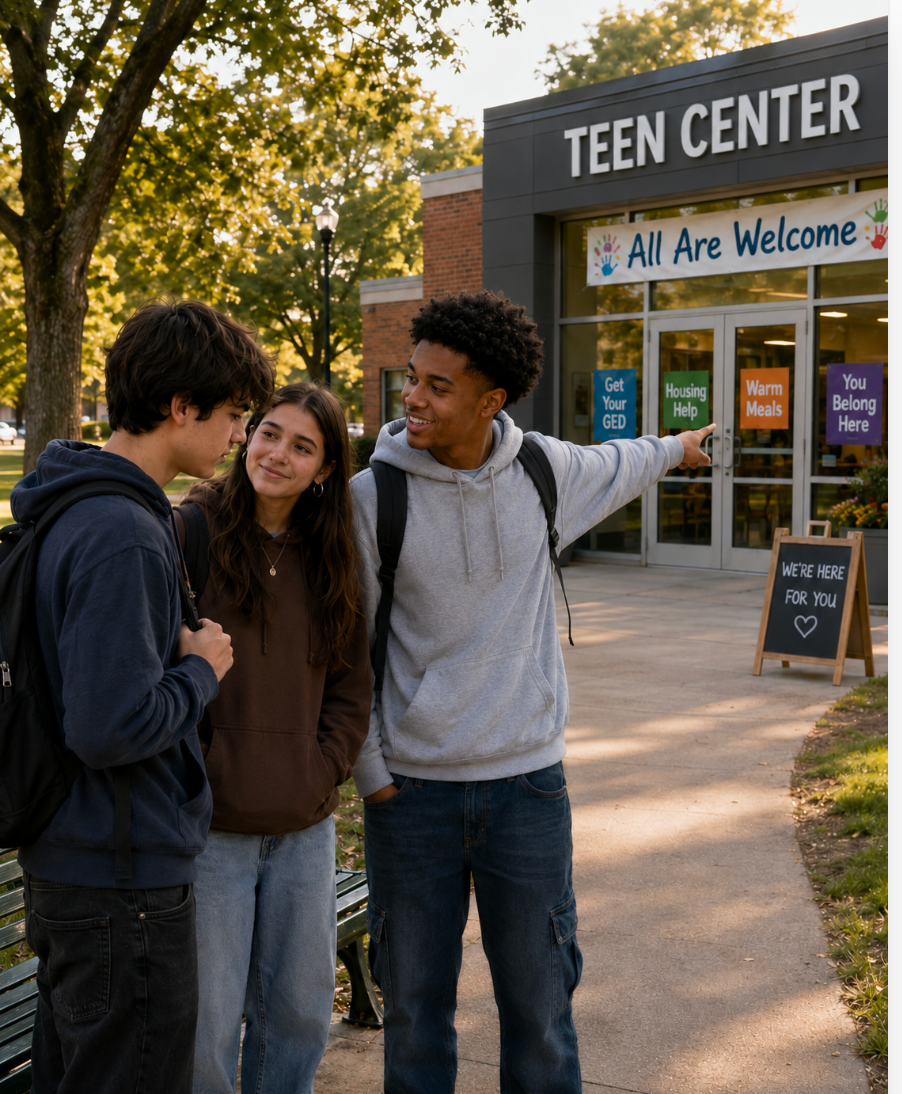
You do not have to be an adult to make a difference. Teen readers can help by volunteering with local shelters, LGBTQ+ youth centers, food banks, clothing drives, school clubs, and community programs that support young people in crisis.
Compassion Begins Here
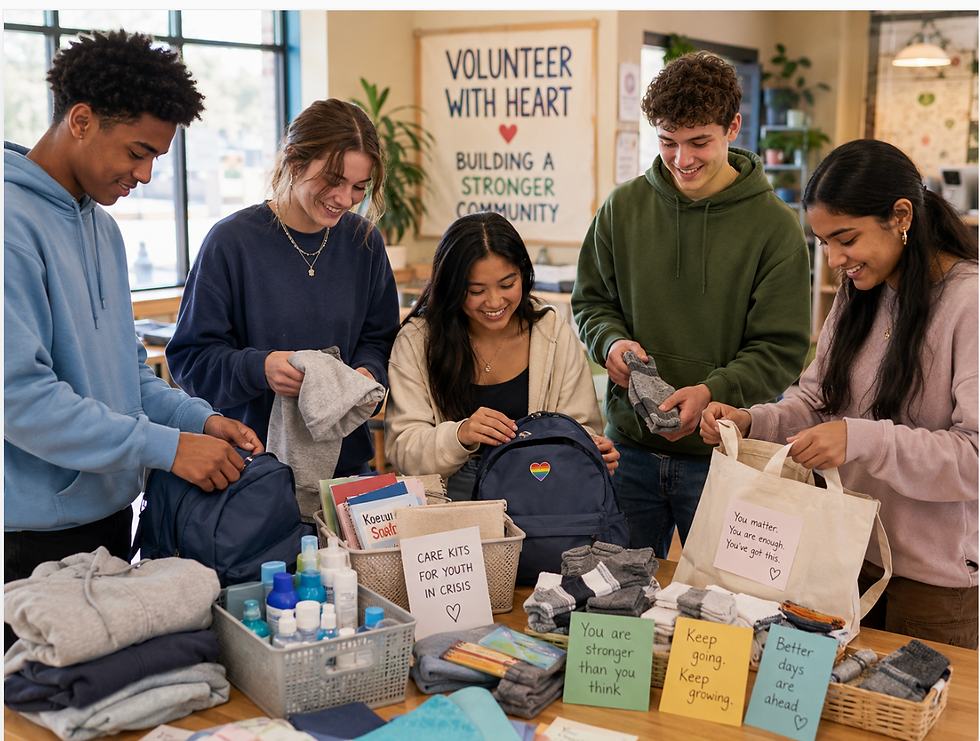
Even small acts matter: collecting hygiene kits, donating warm socks or backpacks, writing notes of encouragement, organizing a fundraiser, or helping spread awareness online. If you are under 18, volunteer with a parent, guardian, school, faith group, or trusted adult, and always choose organizations that are safe, established, and youth-friendly.
Ways to Make a Difference

Start Where You Are
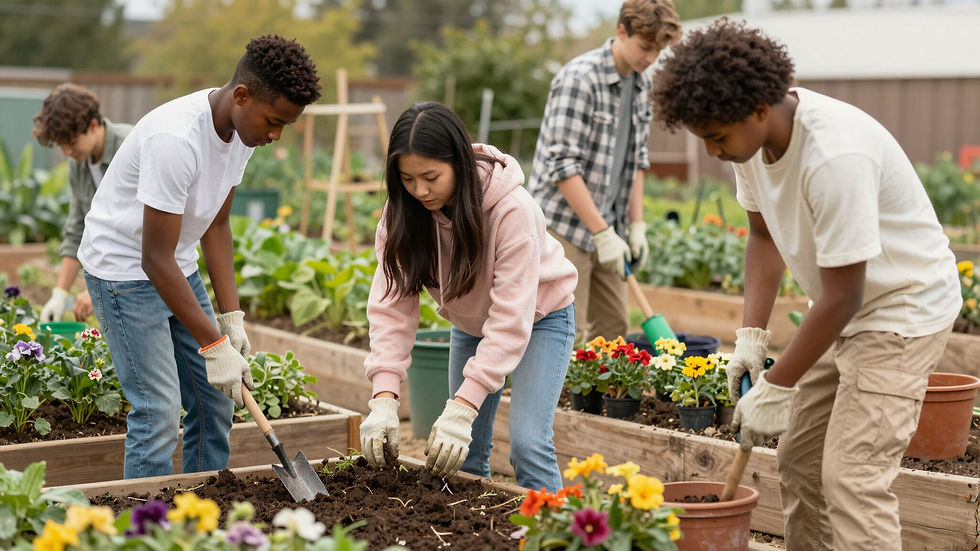
You do not have to have a lot of money, a big platform, or all the answers to make a difference. Start by looking for organizations already doing the work in your community: LGBTQ+ youth centers, homeless shelters, food banks, foster-care support programs, school service clubs, community gardens, libraries, churches, synagogues, mosques, and local nonprofits that help young people in crisis.
You can search for volunteer opportunities with phrases like “LGBTQ+ youth center near me,” “homeless youth shelter volunteer,” “food bank teen volunteer,” “community service hours,” or “youth volunteer opportunities near me.” If you are under 18, ask a parent, guardian, teacher, counselor, coach, or trusted adult to help you contact the organization and make sure the opportunity is safe
You do not have to be an adult to make a difference. Compassion begins when someone decides not to look away.
Create Awareness at School
Change can start in a hallway, a classroom, or a club meeting. Teen readers can help by organizing a clothing drive, collecting hygiene items, making care kits, writing notes of encouragement, hosting a fundraiser, creating posters, starting a kindness campaign, or inviting a local nonprofit to speak at school.